Water Safety for Kids in Singapore
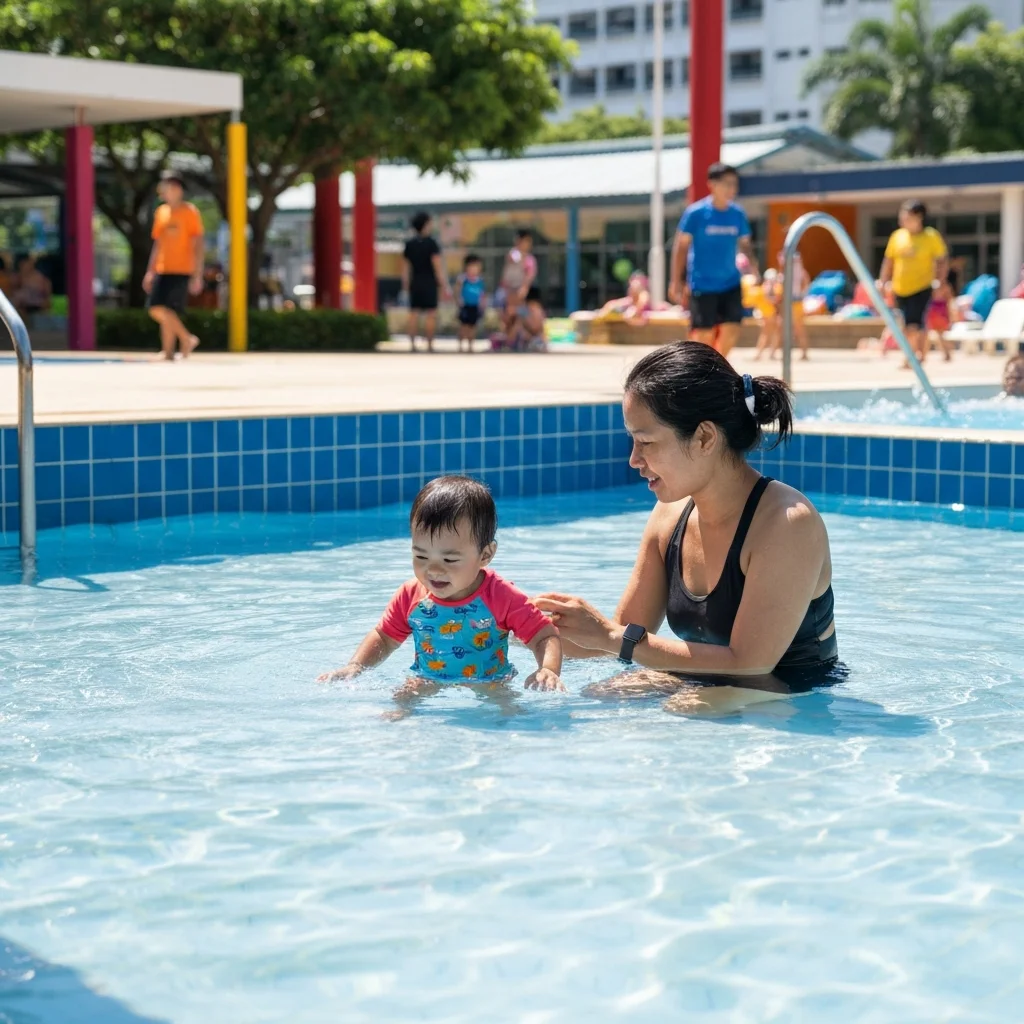
Singapore is a water-rich country. Public pools in every neighbourhood, condo pools in most developments, reservoirs, beaches, and the sea. Kids encounter water constantly. Most drowning incidents involving children happen when supervision lapses for just a few minutes -- not because the child couldn't swim, but because no adult was watching.
This page covers what parents and caregivers in Singapore should know about keeping kids safe around water.
The Numbers
Drowning is one of the leading causes of accidental death in children globally. In Singapore, the numbers are lower than many countries thanks to strong public infrastructure and the SwimSafer programme, but incidents still happen -- particularly in private settings (home pools, condo pools) where lifeguard coverage is absent.
Most drowning is silent. A child in trouble doesn't wave or scream like you see in films. They go under quietly, sometimes within arm's reach of adults who don't notice. This is why active supervision matters more than swimming ability.
Active Supervision: the Single Most Important Thing
Active supervision means an adult is watching the water at all times, not on their phone, not reading, not chatting with other parents across the pool. It means:
- Within arm's reach for children under 5 or non-swimmers of any age
- Constant visual contact for children who can swim but are under 10
- Designated watcher at gatherings. When multiple families are at the pool, agree on who is watching the kids right now. The "everyone is watching so no one is watching" problem kills children every year.
If you need to leave the pool area -- even for a minute -- take the child with you or hand off to another adult who agrees to watch.
Pool Safety
Public pools (ActiveSG)
ActiveSG swimming complexes have lifeguards on duty during operating hours. But lifeguards monitor the entire pool, not your specific child. Their job is rescue, not babysitting. You're still responsible for watching your kids.
- Children under 12 must be accompanied by an adult (ActiveSG policy)
- Use the wading pool and teaching pool for young children -- the competition pool is too deep
- No running on the pool deck. Wet tiles are slippery, and poolside falls are common
- No diving in the teaching or wading pools
Condo and home pools
These are higher risk because there are typically no lifeguards. Most drowning incidents in Singapore involving young children happen at residential pools.
- Never leave a child unattended near a pool, even briefly
- If you have a home pool or ground-floor unit near the condo pool, install a fence or barrier with a self-closing gate
- Inflatable armbands and pool toys are not safety devices. They give a false sense of security. A child can slip out of armbands or deflate them.
- Teach children that they cannot go to the pool without an adult, no exceptions
Open Water and Beach Safety
Beaches at Sentosa, East Coast, and Changi are popular with families. The risks are different from pools:
- Currents. Even calm-looking water can have undertows, particularly after rain or at tidal changes. Kids playing in knee-deep water can be pulled off their feet.
- Depth changes. The seabed drops off unevenly. A child walking in shallow water can step into a hole.
- Lifeguard coverage is limited. Sentosa beaches have lifeguards during posted hours. Most other beaches do not. Check before you go.
- Jellyfish. Occasional in Singapore waters. Rash guards reduce sting risk for kids who like to wade.
Stick to designated swimming areas, swim between the flags where they exist, and keep children within reach in water deeper than their knees.
Reservoir and Waterway Safety
Singapore has 17 reservoirs and an extensive waterway network. These are not swimming areas. The banks are steep, the water is deep, and there are no lifeguards. Several deaths have occurred at reservoirs, including Marina Barrage and MacRitchie.
- Teach children that reservoirs and canals are not for swimming
- Be cautious near edges during family walks or cycling trips around reservoirs
- Wear life jackets during any water sports activities on reservoirs (kayaking, dragon boat)
What to Teach Your Kids
Water safety isn't just about swimming ability. Teach these rules early and repeat them often:
- Never swim alone. Always with a buddy or adult present.
- No running near pools. Explain why (slippery, fall in).
- If you fall in, float first. The instinct is to thrash and try to climb out. Teach them to roll onto their back, float, and call for help. This buys time.
- If someone else is in trouble, don't jump in. Shout for help, throw something that floats, reach out with a stick or towel. Children who jump in to save friends can drown themselves.
- Ask before going near water. Not just pools -- fountains, ponds, drains during rain.
SwimSafer: Singapore's National Water Safety Programme
SwimSafer is a national swimming and water safety programme developed by Sport Singapore and the Singapore Swimming Teachers' Association. It's taught in primary schools as part of the PE curriculum.
The programme has six stages, from basic water safety skills through to open water survival:
- Stage 1 (Introduction to Water Skills): water confidence, floating, basic locomotion
- Stage 2 (Fundamental Water Skills): 25m swim, sculling, surface diving
- Stage 3 (Personal Water Survival): 50m swim, treading water, basic rescue
- Stage 4-6: Advanced strokes, endurance, open water skills
Most children complete Stages 1 to 3 through school. Stages 4 to 6 are typically done through private swimming lessons or swim schools. The certificate is recognised nationally.
For details on the SwimSafer programme, visit SwimSafer.com.sg.
Learning to Swim is Not Enough
A child who can swim 50 metres in a pool can still drown in open water or a pool they're not supervised in. Swimming ability reduces risk but doesn't eliminate it. The combination that protects children is: swimming skills + water safety knowledge + adult supervision.
Don't assume that because your child passed SwimSafer Stage 2, they're safe around water unsupervised. They're safer, but they're still a child. Supervision remains the single most effective protection until they're old enough to understand and manage risks on their own.
To find swimming lessons for your child, visit SingaporeSwimming.com. For pool locations, check SwimmingComplex.com.