Swimming Clubs in Singapore
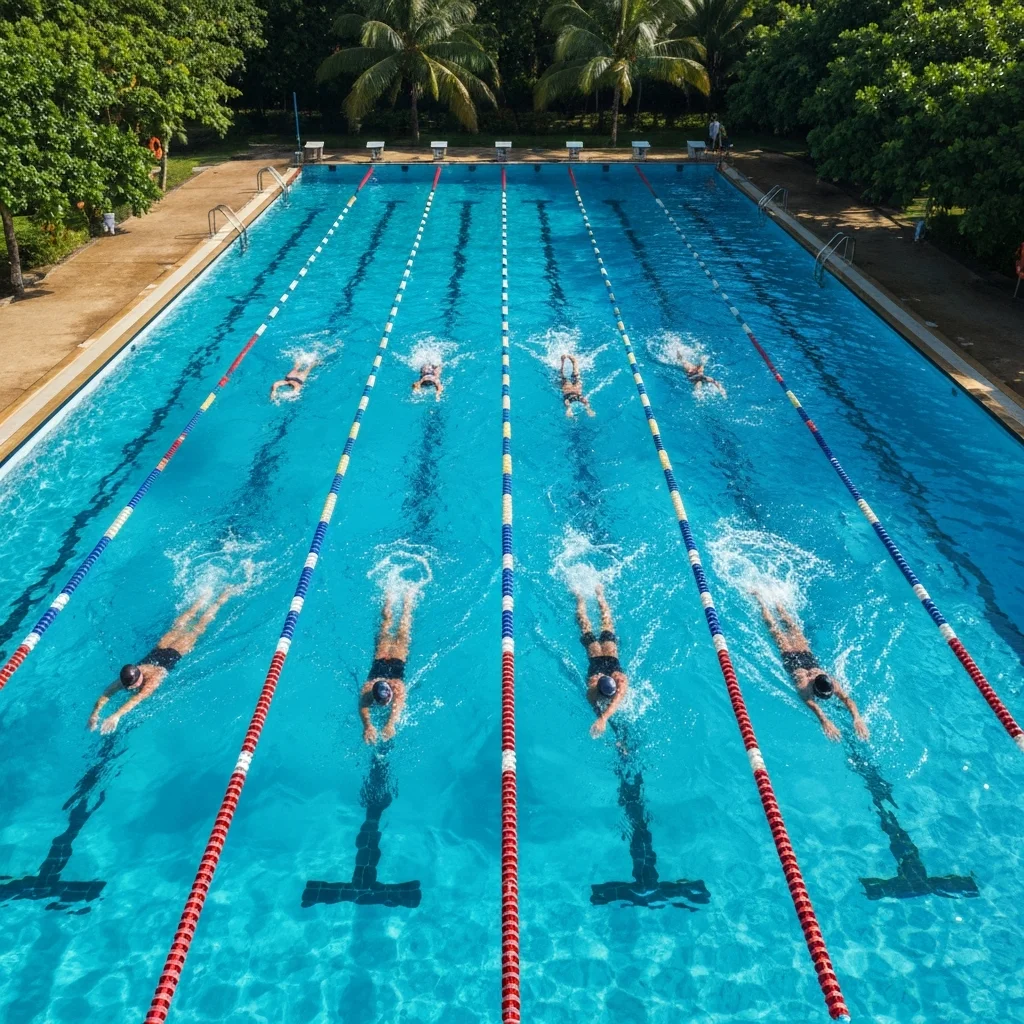
There's a difference between a swimming school and a swimming club, and it matters when you're deciding where to put your time and money. Schools teach you to swim. Clubs give you a place to train, compete, and belong to a swimming community long-term. Singapore has both, and some organisations blur the line.
Types of Swimming Clubs
Private membership clubs
Traditional clubs with their own pool facilities, usually tied to a broader social or country club. Swimming is one of many sports offered. You pay for club membership (sometimes a significant upfront fee) and then join the swim section.
- Singapore Swimming Club (SSC) -- Tanjong Rhu. One of the oldest in the country. 50m pool. Development squads through to competitive teams. Membership is transferable and has a joining fee. Strong competitive history.
- Chinese Swimming Club (CSC) -- Amber Road, near Katong. Long history in competitive swimming. Known for producing national-level swimmers. Club membership required.
- Tanglin Club, Hollandse Club, American Club -- Expat-oriented clubs with pool facilities and swim programmes. Membership costs are high but include access to all club amenities, not just swimming.
The upside of private clubs is guaranteed pool access, proper coaching infrastructure, and a swim community. The downside is cost -- membership fees can run from a few thousand to tens of thousands of dollars, depending on the club.
Competitive swim schools with club structures
These operate more like clubs but train at public pools rather than owning their own facilities. They offer squad-based training, enter swimmers in competitions, and build long-term athlete development pathways. No large membership fee -- you pay monthly for training.
- AquaTech Swimming -- competitive squads at various public pool venues. Lower barrier to entry. Registered for SNAG and national competitions.
- Swimfast Aquatic Club -- competitive programme at public pools. Focus on age-group competitions.
- SwimRay -- development through competitive programmes. Training at multiple public pool locations.
This is the most common path into competitive swimming for children in Singapore. Monthly fees range from $200 to $500 depending on training frequency (3 to 6 sessions per week).
Masters swimming groups
For adults who want structured training and competition without the intensity of youth programmes. Singapore Masters Swimming (SMS) is the main organising body. Various informal training groups operate at public pools across the island. See our masters swimming guide.
Recreational and social groups
Not formal clubs, but groups of swimmers who train together regularly. Often organised through WhatsApp groups or social media. Common at public pools where regulars swim at the same time and naturally form a community. No fees beyond pool entry. No competition requirement -- just people who like swimming together.
Clubs vs Swim Schools
The distinction matters because they serve different needs:
| Swim School | Swimming Club | |
|---|---|---|
| Primary purpose | Teach swimming skills | Train and compete |
| Typical duration | 8 to 20 lessons, then you're done | Ongoing -- months to years |
| Structure | Fixed curriculum, lesson packages | Squad-based, progressive training plans |
| Competition | Not usually | Yes -- club meets, SNAG, nationals |
| Social element | Low (different students each term) | High (same group training together long-term) |
| Cost | $30 to $100 per lesson | $200 to $500+ per month |
Many swimmers start at a swim school, learn the basics, and then move to a club when they want to train more seriously. Some swim schools have a competitive track that functions like a club.
How to Choose
The right club depends on what you want out of swimming. Here are the questions that matter:
For children
- What's the coaching ratio? Development squads should be 1 coach to 6 to 8 swimmers maximum. Anything higher and individual attention drops.
- How many sessions per week? Development: 2 to 3. Competitive: 4 to 6. Make sure the schedule fits your family's life.
- Where do they train? A club that trains at a pool 45 minutes away will burn out parents before it burns out swimmers.
- Do they enter competitions? If competition is the goal, check that the club is registered with Singapore Aquatics and regularly enters SNAG and other meets.
- What's the coaching philosophy? Ask about their approach to technique vs fitness, early specialisation, and managing burnout. A coach who only talks about winning is a red flag.
- Can you do a trial? Any decent club will let you attend a trial session before committing.
For adults
- What level are the other swimmers? Training with people much faster or slower than you isn't useful. A good group has lanes for different paces.
- When and where? Consistency matters more than quality for adult swimmers. Pick a group that trains at a time and place you'll actually show up to.
- Is competition expected? Some groups are casual, some are competition-focused. Make sure it matches what you want.
Finding a Club
There's no single directory of swimming clubs in Singapore, but these are good starting points:
- Ask at your local public pool -- coaches and squads train there regularly, and the pool staff usually know who operates in the area
- Check with your child's school -- teachers often know which swim clubs are active locally
- Singapore Aquatics (the national body) maintains a list of affiliated clubs
- For swimming schools that also run competitive programmes, visit SingaporeSwimming.com
For information on getting into competitive swimming, see our competitive swimming guide. For finding a pool to train at, check SwimmingComplex.com.