Open Water Swimming in Singapore: Routes, Safety, and Events
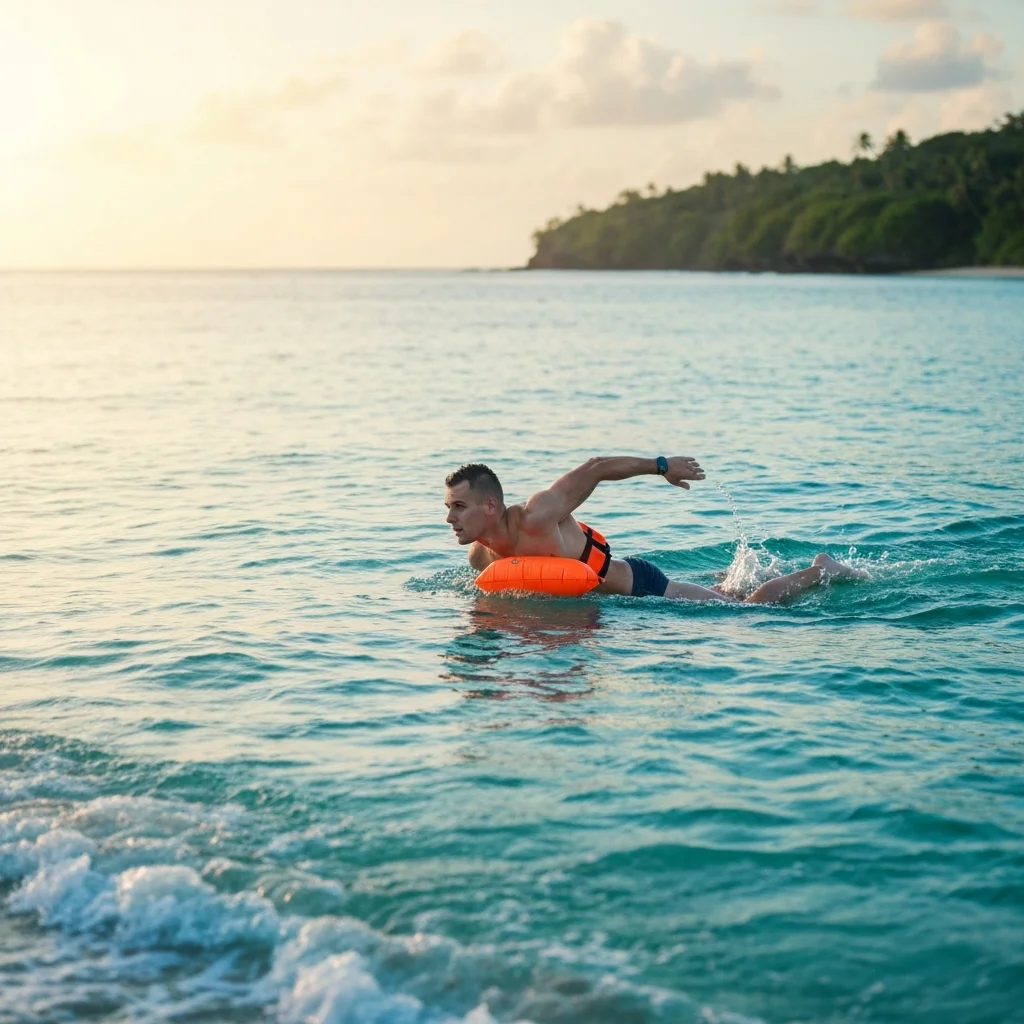
Most people don't think of Singapore for open water swimming, but there are more options than you'd expect. The island is surrounded by water, has several accessible beaches, and a growing community of open water swimmers who train and race year-round.
That said, open water swimming here comes with specific challenges: shipping traffic, variable water quality, currents, and limited lifeguard coverage. This guide covers what's actually available and what you need to know before leaving the pool.
Where to Swim
East Coast Park
The most popular open water swimming spot in Singapore. The beach stretches several kilometres and the water is relatively sheltered. Many swimmers use the area near the Bedok Jetty or the stretch between East Coast Lagoon and the sailing centre.
- Pros: easy access by public transport or car, showers and facilities nearby, relatively calm water
- Cons: water visibility is limited (typically 1 to 2 metres), proximity to shipping lanes further out, jellyfish occasionally
- Best for: regular training swims, group sessions
Lazarus Island
Accessible by ferry from Marina South Pier (via St. John's Island), Lazarus has the clearest water you'll find near Singapore. The beach is uncrowded on weekdays.
- Pros: clearest water near Singapore, beautiful setting, quiet
- Cons: requires ferry trip (approximately 30 minutes), no lifeguards, limited facilities, last ferry back is in the afternoon
- Best for: weekend swims, photography, combining with a day trip
Sentosa Beaches
Tanjong Beach, Palawan Beach, and Siloso Beach all have swimming areas. Sentosa beaches are maintained and have some lifeguard coverage during operating hours.
- Pros: lifeguard coverage, facilities, accessible
- Cons: can be crowded, swimming areas are roped off and relatively small, water quality varies
- Best for: casual open water experience, families
Changi Beach
A quieter alternative to East Coast. The beach is long and relatively uncrowded. Some open water swimmers use the stretch near Changi Beach Park.
- Pros: less crowded, accessible, free
- Cons: no lifeguards, water quality can be poor after rain, proximity to Changi Airport flight path (noise)
Pulau Ubin
The waters around Pulau Ubin offer a more adventurous open water experience. Some swimmers combine it with kayaking or cycling trips to the island.
- Pros: natural setting, less developed
- Cons: currents can be strong, no lifeguards, limited rescue access
- Best for: experienced open water swimmers only
Safety Considerations
Open water swimming is fundamentally different from pool swimming. The absence of lane lines, walls, and clear water changes everything. Here's what to take seriously:
Never swim alone
This is the single most important rule. Swim with a buddy or a group. If something goes wrong in open water, having someone nearby can be the difference between a scare and a tragedy. Several organised groups in Singapore run regular open water sessions.
Use a swim buoy
A brightly coloured inflatable swim buoy (tow float) serves two purposes: it makes you visible to boats, and it provides something to rest on if you get tired. They cost $20 to $40 and are considered essential by experienced open water swimmers.
Shipping traffic
Singapore is one of the busiest ports in the world. Stay well within designated swimming areas and never swim toward shipping lanes. Cargo ships cannot see you and cannot stop quickly.
Currents and tides
Singapore's waters have tidal currents that can be surprisingly strong, particularly around headlands and between islands. Check tide tables before swimming and be prepared for the water to move you sideways.
Water quality
Singapore's coastal water quality has improved significantly, but it's not pool water. Avoid swimming after heavy rain (runoff increases bacteria levels), don't swallow the water, and shower promptly after your swim.
Marine life
Jellyfish are the main concern. Box jellyfish are rare in Singapore waters but not unheard of. More commonly, you may encounter harmless moon jellyfish. Wearing a thin rash guard reduces sting risk.
Events and Races
Singapore has a growing calendar of open water swimming events:
- Swimbotics Open Water Series. Regular events at various locations around Singapore.
- Sentosa Open Water Swim. An accessible race for intermediate swimmers.
- Various triathlon events. The swim leg of local triathlons often takes place in open water at East Coast or Sentosa.
Events typically range from 750 metres to 5 kilometres, with categories for different experience levels.
Making the Transition from Pool to Open Water
If you're a pool swimmer considering open water, here are practical steps:
- Get comfortable with sighting. In open water, you need to lift your head periodically to navigate. Practice "Tarzan drill" in the pool: swim freestyle with your head up, looking forward every 6 to 8 strokes.
- Practice bilateral breathing. Being able to breathe on both sides lets you adapt to waves, sun glare, and other swimmers.
- Join an organised group. Your first few open water swims should be with experienced swimmers who know the location.
- Start short. Your first open water swim should be 200 to 400 metres, even if you can swim 2km in the pool. The conditions are different and more tiring.
- Get a wetsuit or rash guard. Singapore's water is warm enough that a wetsuit isn't needed for temperature, but a rash guard protects against sun, jellyfish, and chafing.
If you need to build your pool fitness first, find a swimming complex near you at SwimmingComplex.com or find an instructor at SingaporeSwimming.com.