Competitive Swimming in Singapore: How to Get Started
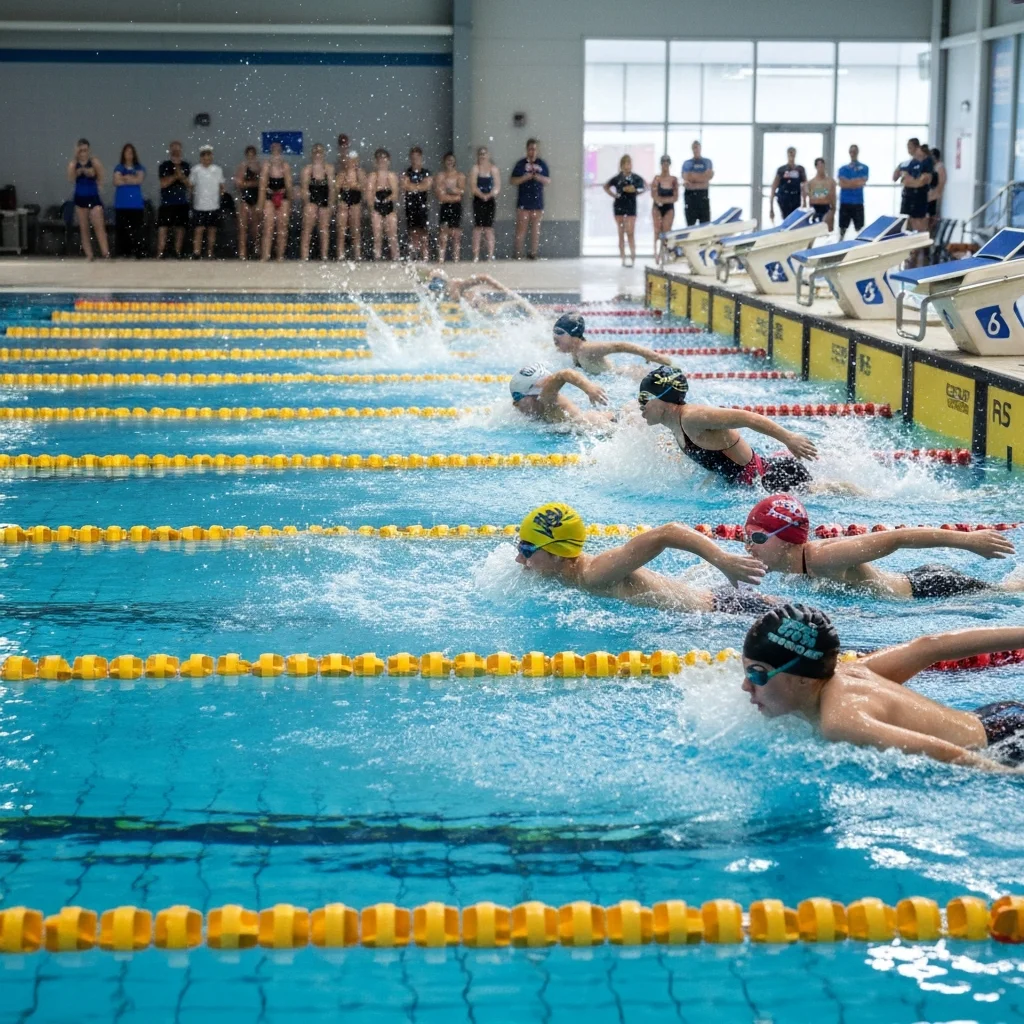
Singapore has a small but active competitive swimming scene. The pathway from casual swimming to competition is well-established, and there are options for children, teens, and adults at every level. Here's a realistic look at what's involved.
The Pathway
Most competitive swimmers in Singapore follow a similar progression:
- Learn-to-swim (ages 3 to 7 typically). Master basic strokes and water confidence.
- Stroke development (ages 6 to 10). Refine all four competitive strokes: freestyle, backstroke, breaststroke, butterfly. Learn turns and dive starts.
- Development squad (ages 8 to 12). Structured training 3 to 5 times per week. Introduction to time trials and club meets.
- Competitive squad (ages 10+). Training 5 to 6 times per week. Regular competition at national-level meets.
- National/elite level. Selection for Singapore national squad, SEA Games, Asian Games, Olympics.
Not every swimmer follows this exact path, and starting later is entirely possible. Some swimmers don't enter competitive programmes until their teens and still perform well at national level.
Where to Train
Competitive swimming in Singapore revolves around clubs and swim schools with structured squad programmes. The main options include:
Singapore Swimming Club (SSC)
One of the oldest and most established clubs. Located at Tanjong Rhu, with a 50-metre pool. Strong development and competitive programmes. Club membership required.
Chinese Swimming Club (CSC)
Based at Amber Road near Katong. Known for producing national-level swimmers. Has a long history in Singapore competitive swimming.
AquaTech Swimming
A swim school with competitive squads training at various public pools. Lower barrier to entry than traditional clubs since no club membership is required.
Swimfast Aquatic Club
Competitive programmes at public pool venues. Focus on SNAG-registered meets and national championships.
Other swim schools with competitive tracks
Many swimming schools in Singapore offer a competitive track alongside their learn-to-swim programmes. Ask specifically about squad training, competition frequency, and coach qualifications.
What Competition Looks Like
Age groups
Competitive swimming in Singapore uses standard age groupings, typically: 8 and under, 9-10, 11-12, 13-14, 15-17, and Open. Events are separated by gender and stroke/distance.
Governing body
Singapore Swimming Association (SSA, now operating under Singapore Aquatics) governs competitive swimming nationally. They set qualifying times, organise national championships, and select national representatives.
Common competitions
- Club meets and time trials. Internal competitions within a club or between a small group of clubs. Good starting point.
- SNAG (Singapore National Age Group) Championships. The main age-group competition. Held annually. Requires qualifying times.
- National Swimming Championships. The premier open competition. Qualifying times required.
- School competitions. National School Games include swimming events for primary and secondary schools.
- SEA Games, Asian Games, World Aquatics events. By national selection only.
What It Costs
Competitive swimming is not cheap once you factor in everything:
- Squad training fees: $200 to $500+ per month (varies by frequency and club)
- Club membership (if applicable): $500 to $5,000+ one-time, plus monthly fees
- Competition entry fees: $10 to $30 per event per meet
- Equipment: competition swimsuit ($50 to $200), goggles ($15 to $40), training gear (kickboard, pull buoy, paddles)
- Travel: regional competitions may involve travel to Malaysia, Thailand, or beyond
Budget $300 to $700 per month as a baseline for a child in a competitive programme. Elite-level swimmers spend considerably more.
What Parents Should Know
Time commitment
Competitive swimmers typically train 5 to 6 mornings or evenings per week, with sessions lasting 1.5 to 2.5 hours. This is a significant commitment that affects school schedules, family time, and social life. Make sure your child genuinely enjoys swimming before committing to this level.
Early mornings
Many squads train before school, starting at 5:30am or 6:00am. This is standard in competitive swimming worldwide, but it's worth knowing upfront.
Burnout is real
Pushing children into intensive training too early can lead to burnout and dropout. The swimmers who last longest tend to be those who were allowed to enjoy the sport before being pushed to compete. If your child wants to take a break, that's normal, not a failure.
Academic balance
Singapore's education system is demanding. Many competitive swimmers find ways to balance both, but it requires planning. Some schools are more accommodating than others. Talk to other swimming families about how they manage.
Masters Swimming (Adults)
Competitive swimming isn't just for children. Masters swimming caters to adults aged 25 and above (some programmes start at 18). It's a structured way to train and compete without the intensity of youth programmes.
- Singapore Masters Swimming organises meets and training groups
- Events follow standard age groupings (25-29, 30-34, etc., up to 80+)
- The atmosphere is supportive and social, not cutthroat
- Many participants are former competitive swimmers returning to the sport, but beginners are welcome
Getting Started
The first step is ensuring the swimmer (child or adult) is comfortable with all four competitive strokes. If they're not there yet, a good swimming programme will get them ready.
Once stroke competency is there, contact clubs and swim schools directly to ask about squad trials or assessments. Most will evaluate the swimmer's current ability and place them in the appropriate training group.
For a list of swimming schools and instructors across Singapore, visit SingaporeSwimming.com.