Breaststroke Technique: A Complete Guide
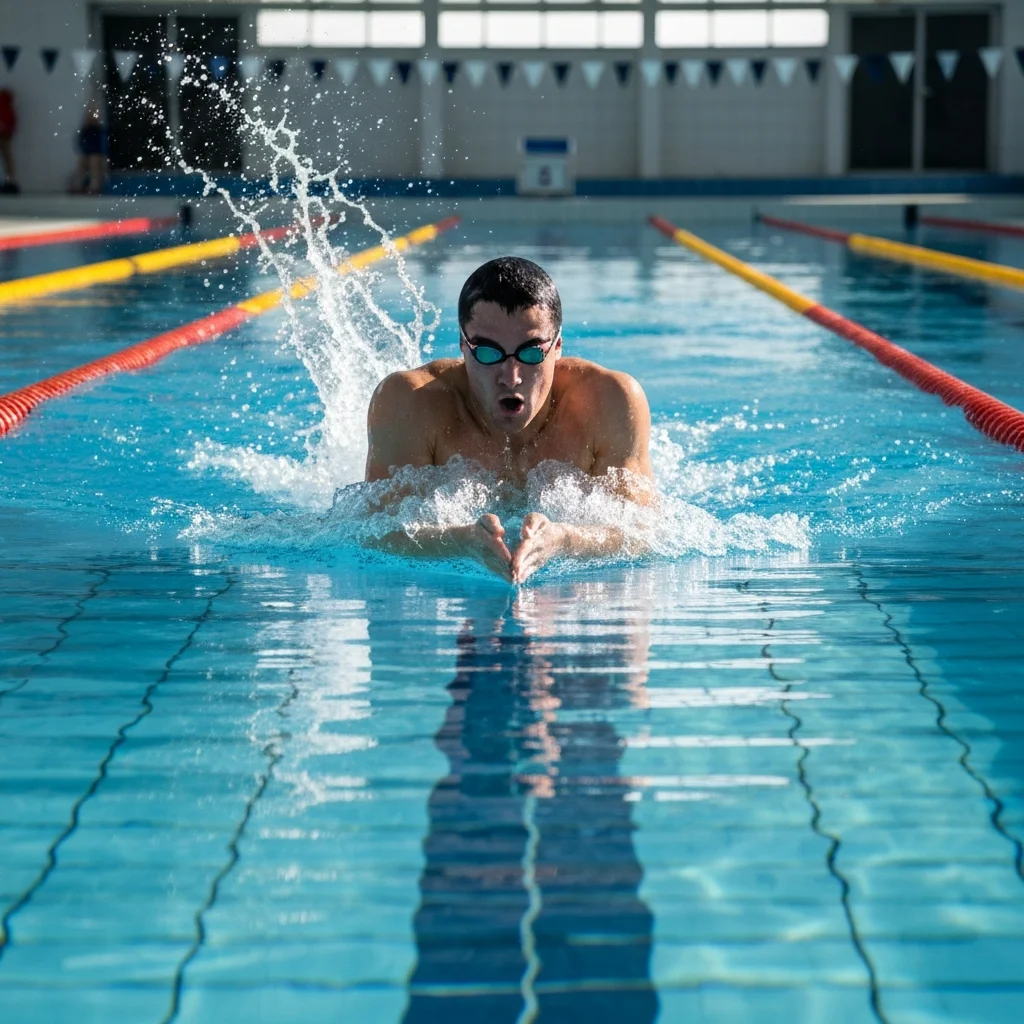
Breaststroke is the oldest known swimming stroke and the one most people learn first. It's also the most technically complex. The timing between arms, legs, and breathing is precise, and small errors in coordination can make the stroke feel exhausting rather than efficient.
This guide covers each component of breaststroke technique and includes drills to help you improve.
The Timing (Most Important)
Breaststroke is all about timing. The sequence is: pull, breathe, kick, glide. Each phase flows into the next, and there should be a distinct glide phase where you're streamlined and travelling forward with no effort.
- Pull: sweep your arms outward and back to create propulsion and lift your head
- Breathe: as your arms pull back, your head and shoulders rise naturally. Breathe in.
- Kick: as your arms shoot forward to recover, execute the kick
- Glide: hold a streamlined position and let momentum carry you forward
The most common mistake is pulling and kicking at the same time. This cancels out propulsion. Think of it as alternating: when your arms are working, your legs are recovering; when your legs kick, your arms are extending forward.
The Pull
The breaststroke pull is wider and shallower than most people think. It's not a big sweeping motion; it's a quick, compact scull.
- Start: arms fully extended in front, hands together, palms down
- Outsweep: turn your palms outward and sweep your hands apart, slightly wider than shoulder width. Your elbows stay high.
- Insweep: quickly bring your hands together in front of your chest, squeezing water between them. This is where the propulsion happens.
- Recovery: shoot your hands forward together, fingers first, back to the starting position. Make this fast and streamlined.
The pull should never go past your shoulders. If your hands are pulling back to your waist, you're pulling too far, creating drag on the recovery, and breaking the timing.
Drill: Scull
Float face down with your arms extended. Without kicking, use small sculling motions (figure-eight movements with your hands) to propel yourself forward. This develops the feel for the catch and teaches you how your hands grip the water.
The Kick
The breaststroke kick (whip kick) provides the majority of propulsion in this stroke. Getting it right is essential.
- Recovery: draw your heels up toward your backside by bending your knees. Keep your knees approximately hip-width apart (not wider). Bringing your knees too far forward toward your chest creates drag.
- Foot position: just before the kick, turn your feet outward (dorsiflexion with eversion). Your toes should point outward and your soles should face backward. This is the "catch" position for the kick.
- The kick: drive your feet outward and backward in a circular, whipping motion, then snap them together. Think of tracing an arc with your feet that ends with your legs straight and together.
- Glide: after the kick, hold the streamlined position. This is where you travel the furthest for the least effort.
Drill: Wall Kick
Hold the pool wall with both hands, body flat on the surface. Practice the kick in isolation. Focus on turning your feet out before the kick and snapping them together after. You should feel the water pressure on the soles of your feet during the kick phase.
Drill: Kick with Board
Hold a kickboard at arm's length and swim using only the breaststroke kick. This lets you focus entirely on kick technique without worrying about arm timing. You should move forward with each kick. If you're staying still or going backward, your feet aren't turned out enough during the catch.
Body Position and Breathing
- Flat is fast. During the glide phase, your body should be as flat and streamlined as possible. Head down, arms extended, legs together.
- Undulation. There's a natural rise and fall in breaststroke: your head and shoulders lift during the pull and breathing, then drop back to streamline during the kick and glide. This undulation should be smooth, not exaggerated. Lifting too high wastes energy and drops your hips.
- Breathing: breathe in as your head naturally rises during the insweep of the pull. Don't lift your head separately; let the arm motion do the work. Exhale while your face is back in the water during the glide.
Common Mistakes
- Pulling and kicking simultaneously. The biggest efficiency killer. Arms and legs should work alternately. Drill: swim breaststroke and mentally say "pull... kick... glide" to enforce the separation.
- Knees too wide on the kick. Spreads the knees apart like a frog, creating enormous drag. Keep knees roughly hip-width and focus on the feet sweeping outward, not the knees.
- Scissors kick. One leg kicks breaststroke while the other does freestyle kick. This is a disqualification in competition and a sign the whip kick hasn't been properly learned. Drill: kick on your back to see your feet and ensure both legs mirror each other.
- No glide phase. Rushing from one stroke to the next without pausing in the streamlined position. The glide is free distance. Drill: count to "two" during the glide before starting the next pull.
- Lifting the head too high. Forcing the head up by extending the neck instead of letting the pull naturally lift the head and shoulders. This drops the hips and increases drag dramatically.
- Arms pulling too far back. Hands going past the shoulders toward the waist. This creates a long recovery that breaks streamline and slows you down. Fix: imagine a line across your shoulders and never pull past it.
Breaststroke for Distance vs. Speed
Breaststroke efficiency varies with intent:
- Distance: longer glide, slower stroke rate, relaxed kick. Focus on maximising distance per stroke.
- Speed: shorter glide, faster stroke rate, more aggressive pull and kick. The undulation becomes more pronounced.
For fitness swimming and beginners, focus on the distance approach first. A long, efficient breaststroke is far less tiring and builds better habits than a rushed, short stroke.
Getting Feedback
Breaststroke timing is difficult to self-assess. Video analysis (ask a friend to film you from the side of the pool) or a session with a qualified instructor will reveal issues you can't feel yourself. Find instructors in Singapore at SingaporeSwimming.com.